Category: Buddha

  • Is religion another organized crime?


    Disclaimer – The below are observations, and the author feels that largely the problem is with the way religion and religious practices are followed or has become a fanatic theory.

    If ever you can win (or say find or please) God by following certain prescription of a book world would have been a different place – may be an utopia. Because hopefully the instructions would be as straightforward. Here the assumption is – algorithm would be as simple as what we used to write for making a cup of tea in our school’s programming class (about 20 years back).

    When I thought about the above, I had attack of Nairobi and Peshawar in my mind. In Nairobi people were ask what religion you follow rather than considering everyone as human. In Peshawar the attack happened in a Church (a place for prayers). One can not support terrorist attack in the name of religion; at least the few happening over last couple of years.

    Churches remind me of India where people are offered money to convert. No doubt, the churches have given opportunity to the underprivileged to go to school, have good healthcare service and some respect.

    If ever you can win (or say find or please) God by money, Forbes has recently released a list of 400 most richest people on earth. They could have find the God. Better is Govts can any day print more money to make everyone rich enough to find God.

    If ever you can win (or say find or please) God by your birth in a certain family there wont be a chance of others achieving the feat – enlightenment. As Indian political and – to fair extent – social structure developed.

    If ever you can win (or say find or please) God or be worthiest person to teach by selection process such as the way the Pope is selected democratically, politicians might have been the most successful people in the business of the God. Well, now a days religion has become more of a business and politics rather than a way to find God. And at best – a person can be democratically elected to represent people and not God.

    When I think of the other options, I feel spirituality or finding/pleasing/winning God cannot be either a democracy or privilege by birth or working in groups. Spirituality is more of an individual’s pursuit. Self-realization can largely be either hard work of individual or grace, I can not agree that killing, buying, voting or birth in certain family gives a person to be self realized. Is organized religion becoming like an organized crime? What are the other options?

    May be humanity, compassion and being at peace with yourself – because social harmony would start with individual’s peace of mind.

  • Inclusive growth


    We’ve seen that socialism had it’s problem, capitalism is no less culprit. I’ve been thinking about both together and have written about it. Regularly I asked this questions of how to two of my MBA professors – Prof Harkant Mankad and Prof Arun Ramanathan. Prof Ramanathan suggested me to read functioning of Nordic countries – heavy tax but less social security. Once I shared this logic –

    Socialism & CapitalismIf we look at both simultaneously we see some good and some not so good practices. Socialism had social benefit at center but execution sucked. On the other hand capitalism has profit at center and execution is better, and also capitalism largely never considered social good as one of the concerns.

    The very bird-eye-view (yes MBAs use this kind of jargon) solution could be – What is we bring social benefit and profit together at center and use execution efficiencies of capitalism around? The profit does not necessarily become – extracting whatever available consumer surplus is there with consumer. Take an example of social entrepreneurship, that is one good approach. Here, I do not intend to say every business should be like that. Also, yesterday I tweeted and updated on LinkedIn – If you want to be social entrepreneur, remember funder of social enterprise has impact in mind+heart & investing in head, so impact weighs higher! those kind of initiative can help in inclusive growth.

    I see that PPP – Public Private Partnership – can also be great boon for inclusive growth. However, greed has created more problem in the Indian context than giving us Inclusive Growth.

    Take an example of MNREGA, it has been failing, benefits are not reaching where they should. How can political parties be kept away from execution? Politicians asking for bribe in such cases is nothing but extortion. How about giving the executioner tax benefits to get involved in it and ask for accountability? Audit Done periodically by people (an independent body monitoring). The people affected and benefited can vote for continuation or stopping that company from involvement. So this can be kind of election on performance of NREGA.

    What I think is – people want a respectable life and not bread thrown at them condescendingly. Inclusive growth is possible when we think more like a combination of socialistic -capitalistic society.

    This way we’d be capitalist but in a socialist manner where besides profit, social uplifting would be a core of philosophy and growth.

  • The master is the servant’s servant


    A master and his disciples were sitting under a tree. The master saw a man taking a cow with him. Man had this cow tied with a rope, walking in the front and cow, naturally, following the man.

    The master saw this, said – “see that cow it taking the man somewhere.” His disciples saw in the direction and replied, master you need to check it properly, the man is taking the cow somewhere. Master replied – what you see is not always the truth. Disciple replied – “please explain, in this case how cow is taking the man?”

    Master replied – Do one thing unchain the cow, see who runs after whom? The master need not run behind the servant. Since the cow is tied, it has no other option but to walk behind the man but cow is the master. The cow has the freedom to go wherever it wants to do – if unchained.

    I read this story as a kid, in Osho magazine. Earlier this year, One day I remembered this story. How? Let me tell you.

    I and one of my colleagues were talking about Amitabh Bachchan. On one endorsement of his, I said that product does not gel well with his grand personality (my 2 cent, opinion). To that my colleague replied – “well that endorsement could be enough for him to arrange for salary of his whole staff for a year, at least.” Suddenly I stopped, remembered the story of cow and the man. I did not speak, just smiled.

    Well, I had this talk with my colleague in the beginning of the year why writing now? The reason is – we have a maid who is so royal that she wakes up at 10 AM or late. Comes home 2 or more hours later than I had gone to office – needless to say I prepare tea and breakfast for myself, and our maid is a full time maid. So she in a way is master, I go for earning her monthly salary (e.g. my office) well before she comes for work. The other thing – we are hopelessly dependent on her. The way man is dependent on the cow in above story.

    So the question is – who is the master and who is the servant?

    Mirdad says (The book of Mirdad) – “the servant is the master’s master. The master is the servant’s servant.”

    Disclaimer – 1. I’ve no intentions to demean Mr Bachchan he is a big personality.

    2. Neither I intend to demean my maid – after all she offers me my daily bread.

    Kind of related blog – Irony

  • Cast(e)ing doubts – Color of skin


    This blog is in the series of blogs on – against – the caste system of India. Though this blog is on a Western Social Challenge. I wish some day we would value people on their

    Capabilities and not Caste
    Action and not Ancestry
    Character and not on Color of skin

    That we all connected there is no two (non-duality) no big vs small no higher vs lower. So let us first understand what is one of the challenges before we reach there.

    We first bought National Panasonic Cassette recorder and player in 1991. I was 11 years that time, I started listening to songs specially – Mukesh, Lata and Michael Jackson. Being a Hindi medium 6th grade student English was literally a foreign language to me. But, who heard MJ for lyrics the music was enough. When I came to know about Michael Jackson’s plastic surgery I came to know about the racial issues out side of India. Well, I was young so never thought about racial discrimination. In 2007 I watched “To kill a mocking bird” and heard speech “I have a dream” of Martin Luther King Jr. That time I realized how deep rooted the problem of discrimination was. Than in 2008 Obama won, seemed as if there is a hopeful positive movement, how much? I cannot comment on that, I have never been to the US.

    Recently, I watched a movie Invictous. This movie is based on true incidents in South Africa. Nelson Mandela was elected as President of SA. SA organized rugby world cup in 1995. The idea was to bring black and white people of SA together – through the language of sport. Those who are from countries where Cricket is played might remember that in 1992 South African team again joined international cricket. Reason – in 1970s ICC removed SA cricket team due to racial discrimination “Apartheid“.

    One of my friends later told me about Muhammad Ali, that Ali was a born Christan but changed his religion. Well, I rarely enjoyed watching boxing so was mostly unaware about the greatness of Muhammad Ali, anyways. When I heard about he changing religion I went one step beyond. I felt that we humans would remain like that. Currently we are fighting on supremacy of religion. Each religion has different sub-sects Muslims has Shiya and Sunni etc, Christans have Catholic and Protestants etc, Buddhists have Hinyan and Mahayan etc. Jains has Digambar and Shwetambars. Hindus? Well we have many sects and many caste based devision. In future we would fight on supremacy of the sub-sects (currently too that happens Syria, Iraq, Caste system in India etc) What we need as humans is increasing our consciousness we all are born equal – as humans. We need to respect each other as humans. Next if you need to value someone more and other less. Value him or her on

    Capabilities and not Caste
    Action and not Ancestry
    Character and not on Color of skin

    And of course other qualities rather than somethings on which a baby may not have control e.g. color of skin and caste of birth etc.

  • Cast(e)ing doubt – Lingayats!


    This blog is in the series of blogs on – against – the caste system of India. I wish some day we would value people on their

    • Capabilities and not Caste
    • Action and not Ancestry
    • Character and not on Color of skin

    That we all connected there is no two (non-duality) no big vs small no higher vs lower. So let us first understand what is one of the challenges before we reach there.

    First thing first – I have a special love affair for Lingayats (a community in India), let me put a disclaimer – “I am a born Lingayat… (well as per the current Liangayat followers …not practicing Lingayat though.”) It might have been an accident that I am born in this community, but it is all logic and belief that I am beyond the so call Lingayatism.

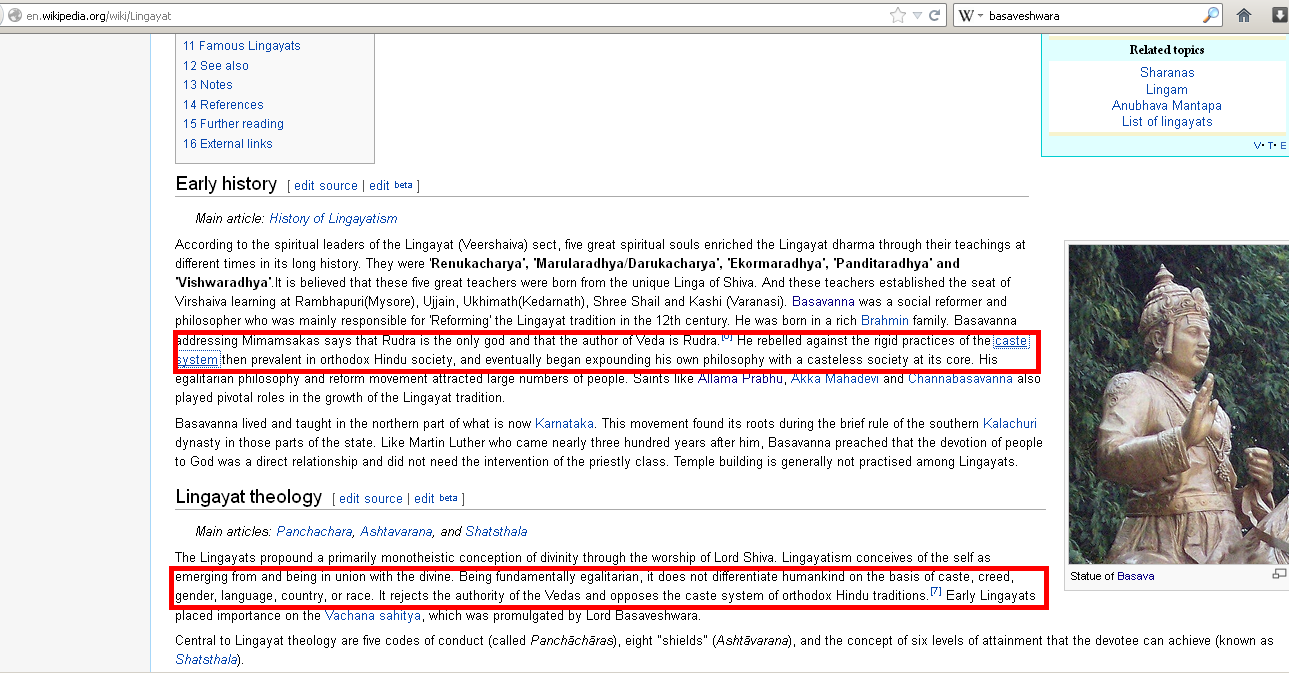
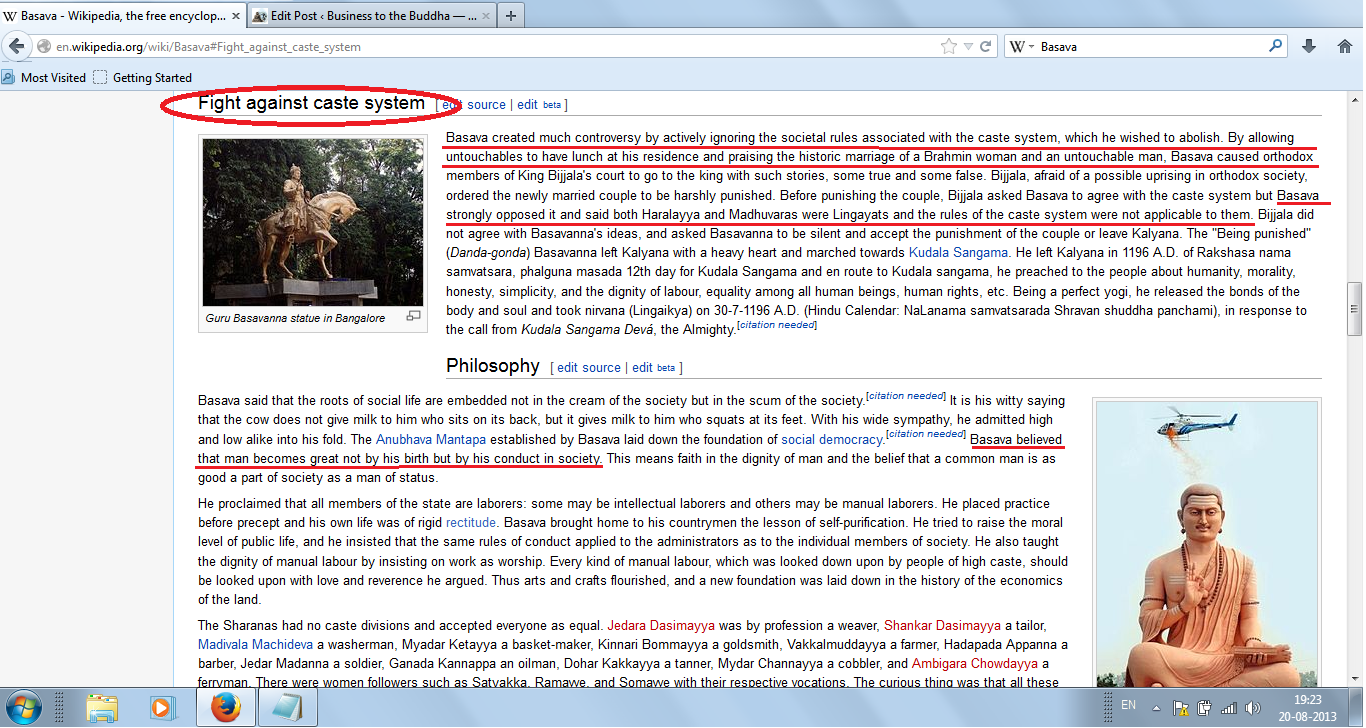
    A brief history of Lingayatism. It was found (or resurrected) by Basaveshwara in Karanataka. When Basav Anna founded the basic premise was “no-caste system” or in larger perspective – All Humans Are Born Equal. The hypocrisy of this seemingly one of the youngest religion is – it has more than 16-17 different sub-castes. Check Wiki for more details and before someone reads about the Hypocrisy of Lingayats and deletes the reference here is an image from Wiki –

    Fight against caste systemlingayatism-wiki


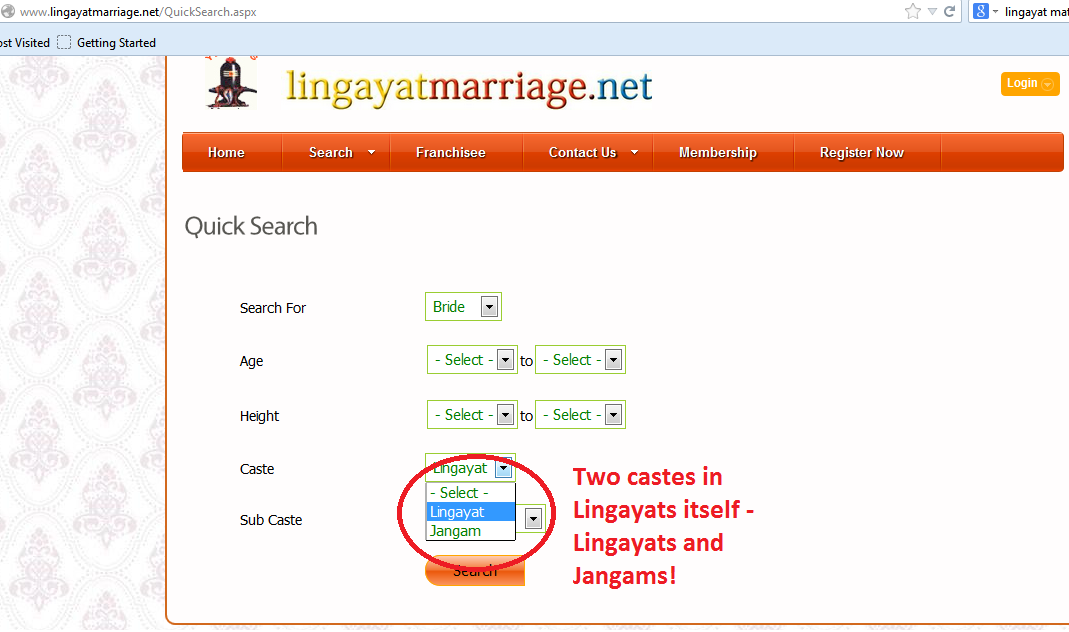
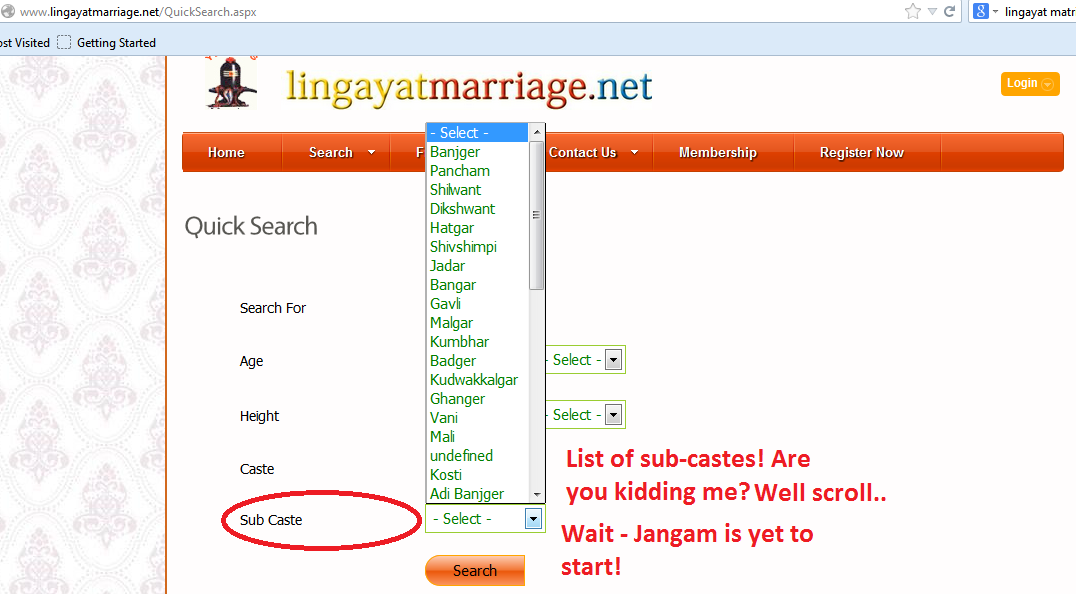
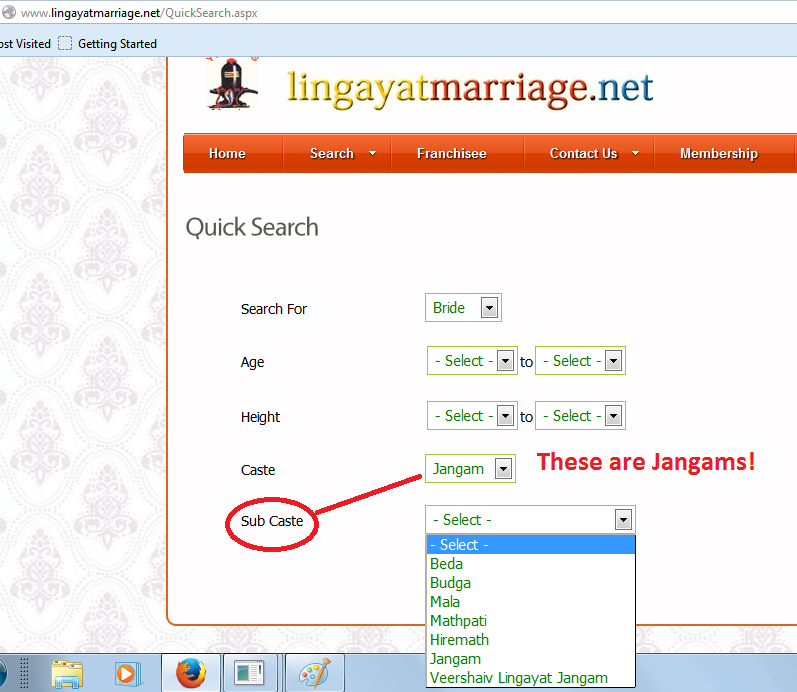
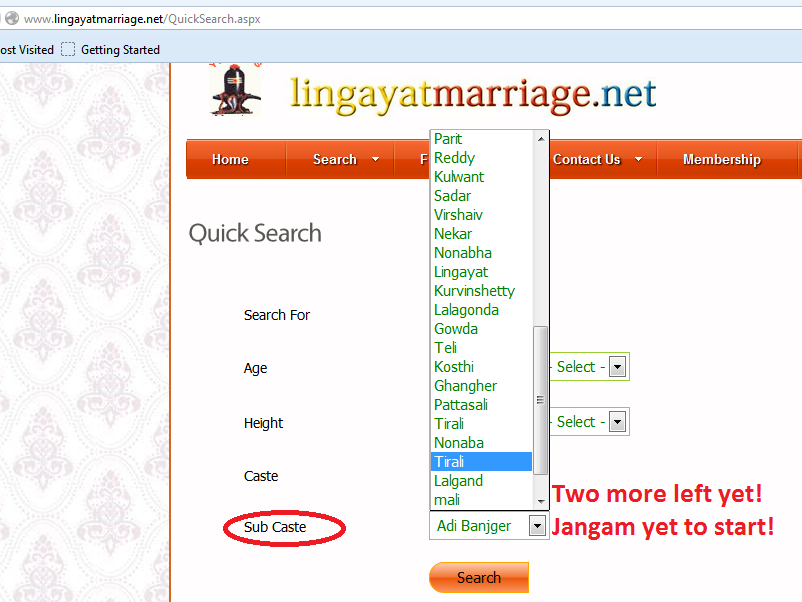
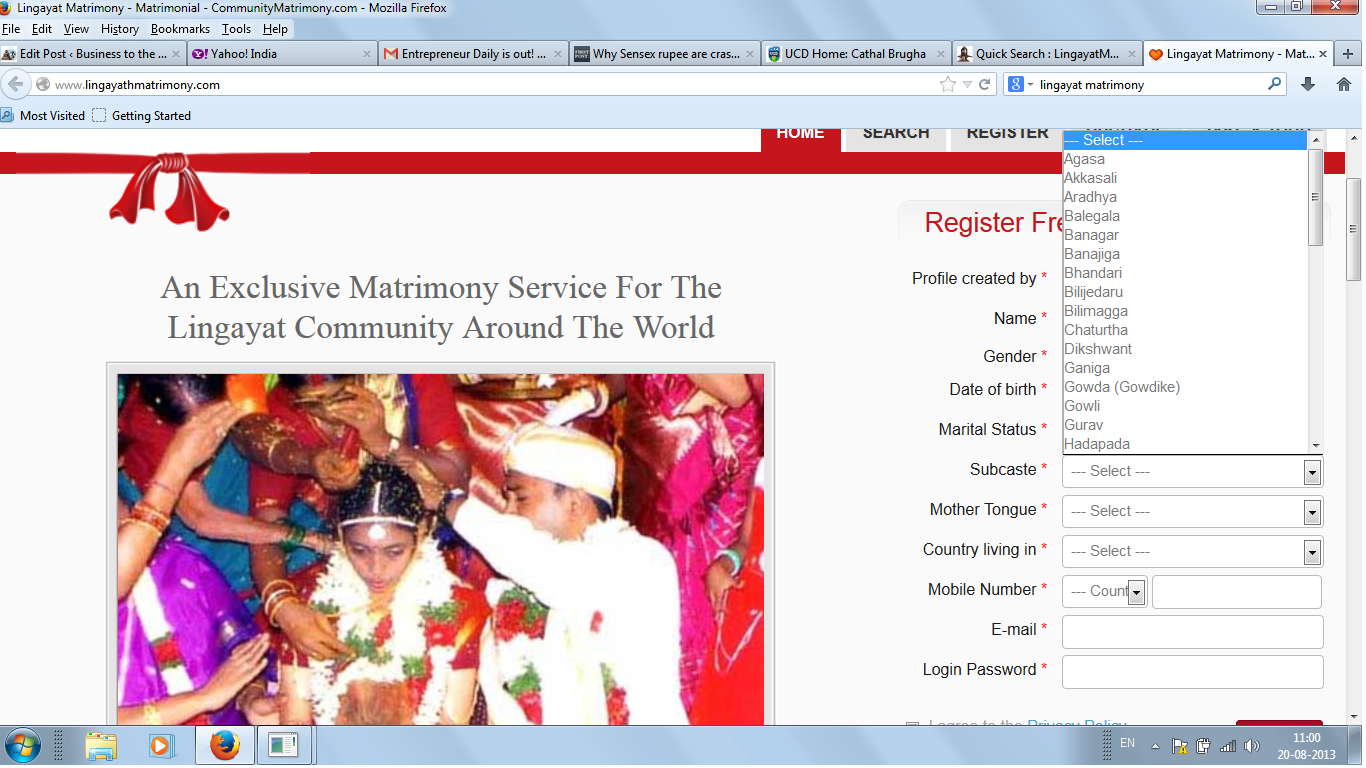
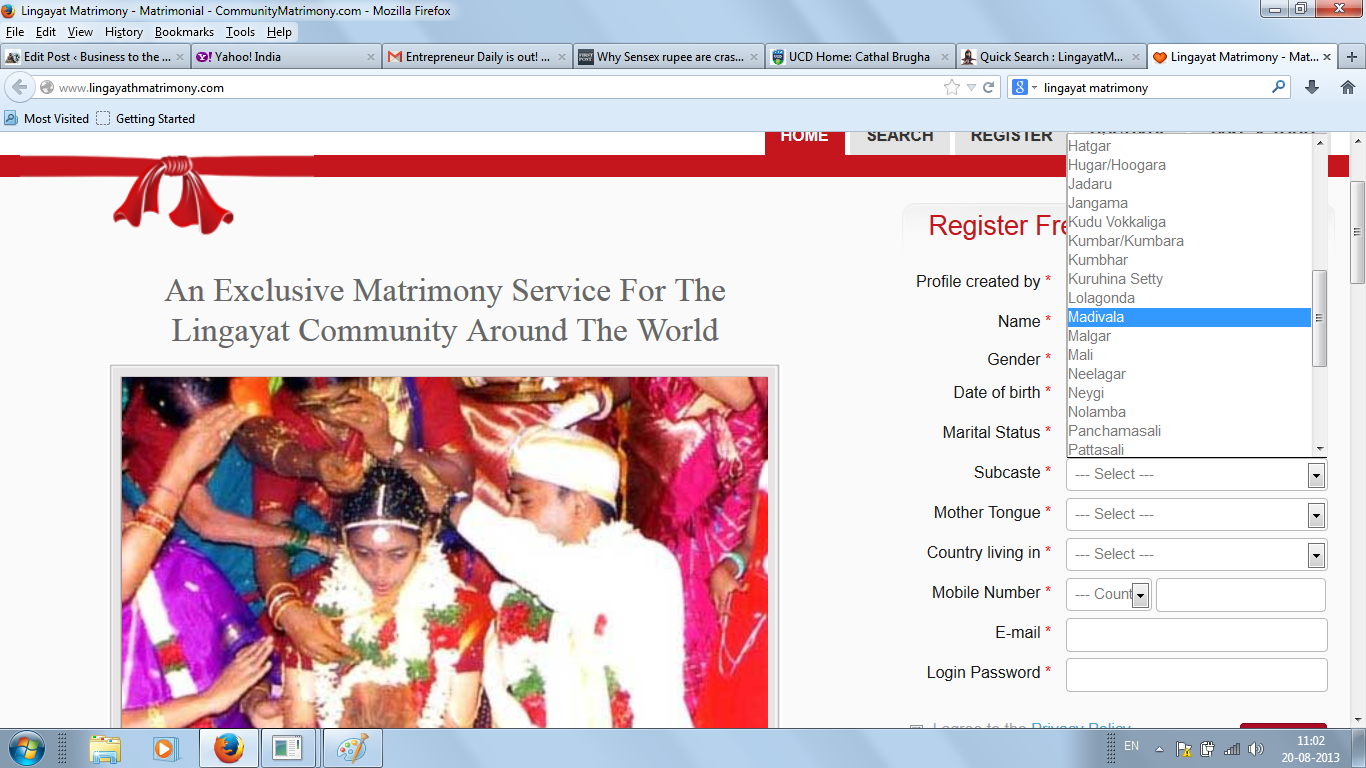
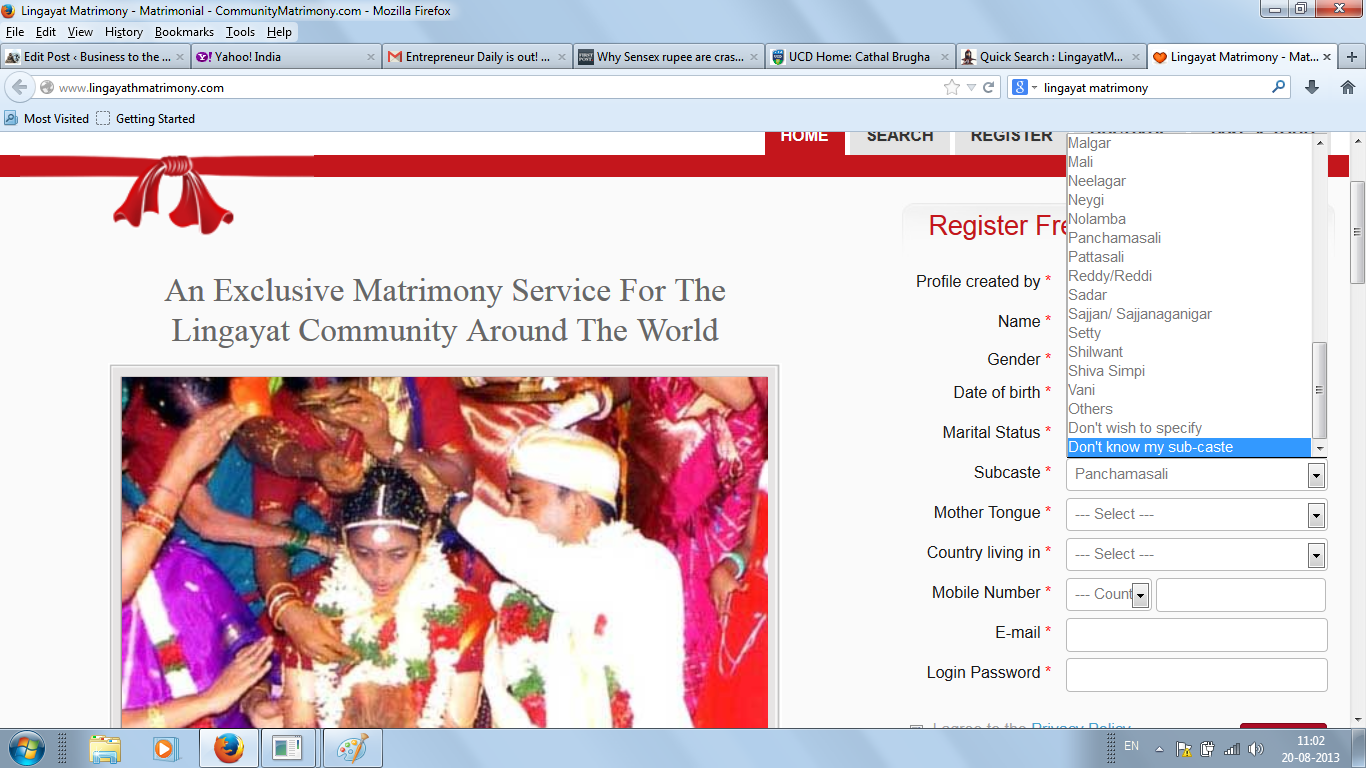
    So Basava fought caste system. It all started by the story of marriage of a Brahmin and an untouchables. Now look at the so call matrimonial sites of Lingayats (image thumbnail below, click to enlarge). Basava must be crying in his grave for such blatant contempt of his fight. Poor fellow fought his fight for eqaility and against caste system (apparently by calling a marriage among Brahmin & untouchable) and here Lingayats have first division as Lingayats and Jangams. Within those two factions they have more division.

    When people ask “What Lingayat are you?” I feel Basava’s fight has gone in vain. No meaning of him having a community which has completely shattered its own foundation of existence. Now read Wiki article on Lingayatism as well you would understand what actually I mean and what is practiced.


    Image sources – Wikipedia, www.lingayatmarriage.net and http://www.lingayathmatrimony.com/

    Lingayat Matrimonial site imagesLingayat Marriage  2Lingayat Marriage  4Lingayat Marriage  3 Lingayat Matrimony - Bharat Matrimony 1 Lingayat Matrimony - Bharat Matrimony 2

    Lingayat Matrimony - Bharat Matrimony 3

    Related blogs

    Cast(e)ing doubts – Narendra Dabholkar

    Cast(e)ing doubt – What’s your (last) name?

    Cast(e)ing doubt –  everyone’s tears are salty

    We the societies

  • Cast(e)ing doubts – Narendra Dabholkar


    I am writing a series (on and off) of blogs on – against – the caste system of India (include black skin for other parts of the world). This is another installment in the series.

    Last week, there was a shocking news that Dr Narendra Dabholkar was shot dead. In brief Dr Dabholkar was working against the superstitions in India. If I remember it correctly, his program was once aired on Discovery Channel also. I remember watching some program more than 10 years back. At that time, I never thought that there are so many challenges in India and this (superstition) is a big problem. But yes it is; otherwise why would a simple person be killed for running a social cause. The problem at times is we do not want to change. We accept many things as given and NORM – which Dr Dabholkar wanted to change. When I heard about him in English media the word used was – rational! A good word, rationality asks for a reason. Reason for accepting any belief.

    I would ponder on rationality Vs spirituality or rationality and spirituality in future.

    So, according to Wiki, Dr Dabholkar started his social work with Baba Adhav’s “One village – One well” agitation. Though more on this agitation is not readily available (Google search page 1) on the net. The title of this agitation suggests this – each village should be supplied water from one well.  This seems very naive agitation. Let me tell you – in India there are villages or places where you have one well for untouchables and one well (perhaps one for each caste) for other community. This is the challenges on which I have been writing lately. This all does not stop just here. There are different temples (of same Gods) for untouchables and rest of the community. What more irrational one can ask for? The creator of all is divided by castes. Bhagvat Geeta says soul does not die, it comes back to life after the body dies. What if soul of a Brahmin dies and born as untouchable and vice versa?

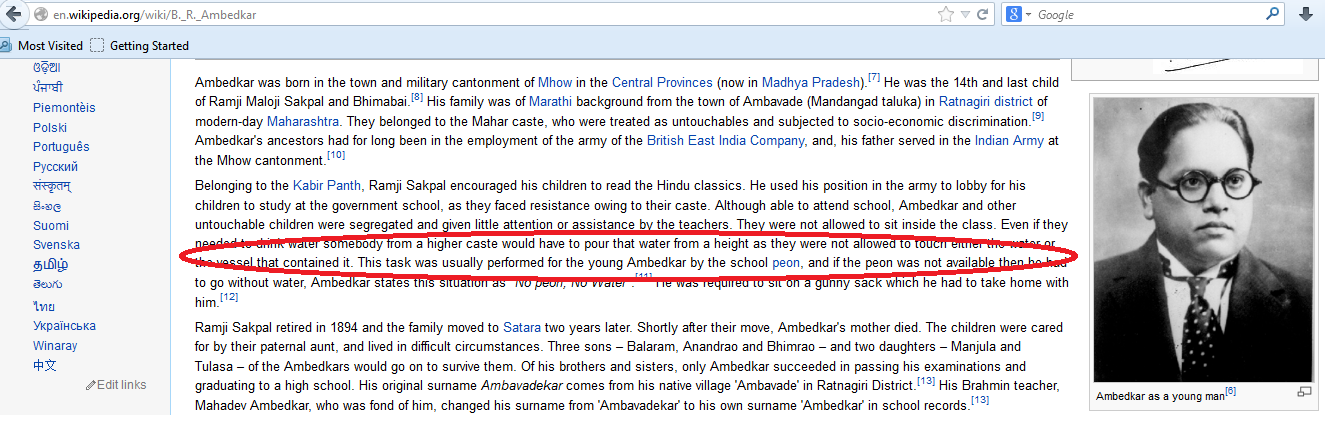
    Image source - Dr Ambedkar Wikipedia
    Image source – Dr Ambedkar Wikipedia

    I remember reading that Dr Ambedkar had to face immense discrimination. His container of water (Matka) in his office was separate. Why? Because he was an untouchable. He had to fight this war whole life. We in India define people by their ancestry and not by their action. We define people by their skin color (world over) and not by their character. We define people by their social status and not their thoughts.

    Effectively we have to fight many battles for becoming a more just, equal and inclusive society. Dr Dabholkar was fighting on the superstitions which needs to continue and the other is – equality on financial and social status. All this needs change in mindset – solution? For me it is spirituality.

    Dalits give ‘donation’ to enter temple 2013 – The Hindu

    Dalits told to keep distance from temple 2013 – Times of India

    Dalits enter TN temple first time in 100 yrs – Times of India

    Dalits enter temple amid tight police security 2013

    Dalits enter temples with police protection 2009

    Related blogs

    Cast(e)ing doubt – What’s your (last) name?

    Cast(e)ing doubt –  everyone’s tears are salty

    We the societies

  • Cast(e)ing doubt – What’s your (last) name?


    In a lift one person, an old 70-75 year or so, looks at the other, smiles and thinks – New guy in the building! Looks educated ‘I can talk to him’. He asks – What is your name?

    Other person responds – Pravin

    Old man – Pravin what?

    2nd person – Pravin is my name.

    2nd person looks at the old man with a question mark on face, what does that mean?

    Old man – I mean your last name?

    2nd – I call myself KRD Pravin and my friends call me KRD (at times KRD P).

    Old man stares with a complete blank (!) and question on face?

    2nd person continues – Does not it sound like JRD (Tata)? One step ahead, that is in alphabet “K” comes just after “J” right? Smile!

    Old man – what does KRD mean?

    2nd person – KRD stands for my last name and father’s name.

    2nd person smiles and the old man insists on an answer.

    Old man – Ok! But what is your last name?

    2nd person (possibly getting the hint of apparent insistence now) – so you wanted to know my last name and not the name, is that right?

    Old man completely taken aback by such question, because he was only interested in the last name. What goes on in the mind of old man is – ok lad looks educated, but does not have manners, arrogant!

    Perhaps the old man is thinking – “I have a suitable girl for him in my mind?” Wait without knowing if 2nd person is married or not, how can one think like that? Anyways jokes apart.

    This is the reality, of few discussions (elevator talks). People are more interested in what someone’s ancestors did than what this young lad is doing? This is the problem of our caste system.

    I writing a series (on and off) of blogs on – against – the caste system of India (include black skin for other parts of the world). This is another installment in the series.

    One of my school friends (this is not a fiction he was indeed like this) used to make friends based on last name, he at times used to ask “what are you people? (that is you belong to what/which caste?)” If the other person does not fall in “his choice of category” he wont make friends with them. His selected types were – Hindus (in religion), Vaishya, Brahman and Kshatriyas (in caste). In the language of Indian quota system – he wont make friends with SC, ST or OBCs. I was surprised but well I made a note of this!

    I think we all were forest dwellers, once farmers. A blacksmith and mason is nothing but present day engineer. The more we developed the more we regressed actually! Even before the baby is born – he/she is black/white/sub-continent dweller. The day a baby is born we tag him/her as Christian/Hindu/Sikh/Muslim etc. Next tag is more clarification – You are a Shwetambar Jain, Or Saryuparayan Bramhan etc.

    What is this – why we do differentiate on caste? In India there are temples where even Hindus (shudra/Dalits/Untouchables) can not go. All over India this is widespread.

    Dalits give ‘donation’ to enter temple 2013 – The Hindu

    Dalits told to keep distance from temple 2013 – Times of India

    Dalits enter TN temple first time in 100 yrs – Times of India

    Below two news are almost same difference is the year. News from The Hindu newspaper site (by far the most respected and authentic newspaper in India)

    Dalits enter temple amid tight police security 2013

    Dalits enter temples with police protection 2009

    Tera Bhagvan (khuda) mere bhagvan (khuda) se alag hai!
    तेरा भगवान (खुदा) मेरे भगवान  (खुदा) से अलग है!

    Thy God is different than mine!

    When the creator is different there certainly is comparison – whose God is better?

    Meri Kamiz teri kamiz se safed hai

    मेरी कमीज़ तेरी कमीज़ से सफ़ेद है

    My shirt is brighter (better) than your shirt

    As if God is a trifling shirt or trouser! Who (which) can be better or worse.

    Related blogs –

    Cast(e)ing doubt –  everyone’s tears are salty

    We the societies

    When Buddha dies schools are born

  • Cast(e)ing doubts – everyone’s tears are salty


    I am not an admirer of the caste system of Indian society. The special love affair for that (aversion) goes to the Lingayats (disclaimer – I am a born Lingayat). I am going to write a series (on and off) of blogs on – against – the caste system of India (include black skin for other parts of the world). Here is the first such blog. This story is from Chapter 43 of the book Old path white clouds by a Vietnamese monk Thich Nhat Hanh. The book is on the life of the Buddha.

    In brief – The Buddha accepted an untouchable named Sunita, to his Sangha (in India 2500 years ago). It created a lot of uproar in Kingdom of King Pasenadi (Kosala) who was a devoted follower of the Buddha.

    Everyone’s tears are salty
    When The Buddha and his bhikkus were passing by the river Ganga they saw an untouchable person – Sunita (a person carrying nightsoil). when the Buddha started walking towards him, he ran farther away from the Buddha. When Sunita could do no more, he kept the nightsoil buckets on one side and hid in the river.

    Sunita “Lord, I do not dare come closer. I am an untouchable.”
    Lord, I do not dare come closer, I am an untouchable

    The Buddha walked right up to the water’s edge and said, “My friend, please come closer so we may talk.”
    Sunita, joined his plams, protested, “Lord, I don’t dare!”
    The Buddha asked – “Why not?”
    Sunita replied – “I am an untouchable. I don’t want to pollute you and your monks.”
    The Buddha said – “On our path, we no longer distinguish between castes. You are a human being like the rest of us. We are not afraid we will be polluted. Only greed, hatred, and delusion can pollute us. A person as pleasant as yourself brings us nothing but happiness. What is your name?”
    Sunita said – “Lord, my name is Sunita.”
    The Buddha asked – “Sunita, would you like to become a bhikkhu like the rest of us?”
    Sunita said – “I couldn’t!”
    The Buddha – “Why not?”
    Sunita – “I’m an untouchable!”
    The buddha – “Sunita, I have already explained that on our path there is no caste. In the Way of Awakening, caste no longer exists. It is like the Ganga, Yamuno, Aciravati, Sarabhu, Mahi, and Rohini rivers. Once they empty into the sea, they no longer retain their separate identities. A person who leaves home to follow the Way leaves caste behind whether he was born a brahman, ksatriya, vaisya, sudra, or untouchable. Sunita, if you like, you can become a bhikkhu like the rest of us.”

    King Pasenadi was asked by his ministers to protest and reason for this act of the Buddha. The King visited the monastery, while walking in the monastery he saw a few monks sitting under a tree and one monk sharing the teachings of the Buddha. The King was impressed with the monk who was teaching. The monks face radiated great peace and wisdom. This sight was such that King stopped for a while to listen to the monk.

    The King was so impressed with the monk that first question he asked was who was the monk teaching under the tree? The Buddha replied – “Sunita, he was once an untouchable”. King was embarrassed, the Buddha continued – “In the Way of Liberation, there is no caste. To the eyes of an enlightened person, all people are equal. Every person’s blood is red. Every person’s tears are salty. We are all human beings. We must find a way for all people to be able to realize their full dignity and potential. That is why I welcomed Sunita into the sangha of bhikkhus.”

    Even after 2500 years, we still have widespread caste system. At that time there was only Hinduism now you have many religion in the world! Every religion has many sub-sub categories. You have color of skin to differentiate, what more you need?

    Related blogs –

    We the societies

    When Buddha dies schools are born

    Reference in the index of the book – Fo Pen Hing Tsi King (T. 190); Fang Kouang Ta Tchouang Yen King (T. 187); Lalitavistara.

    Image source Old path white clouds

  • Race – never ending


    I met Professor Arun Ramanathan a few months back (precisely in April). He taught us Corporate Governance and Business Ethics in our MBA. I told him a very practical daily situation I face. Whenever I walk, I am almost running, I notice that I walk very fast that I leave people behind as if there is a kind of competition happening. I am running to – say – win some competition.

    Courtesy Nilesh Yeram (my friend)
    Courtesy Nilesh Yeram (my friend)

    Why are we doing this? Am I alone in this kind of running (not just literal) without knowing where is the end or many professionals – like I do – are just running. Some running for money, some for a next bigger car or home, some others for a better position. Or is it that when people are young they just get in a race, a race no one knows who started but a race in which other peers are also equally involved (at least in the runners mind)? This is how ethics gets shelved in our personal and professional life. We are trying to be something. Is it of any consequence or what are the accolades related to that? It is of no interest in many cases. So the mentality is by hook or crook achieve the results.

    Two weeks back Rajagopaul uncleji shared a story with me. This perfectly relates to my discussion with Prof Ramanathan, so, sharing it here.

    Race

    I was jogging one day and I noticed a person in front of me, about 1/4 of mile. I could tell he was running a little slower than me and I thought, well, I shall try to catch him. I had about a mile to go my path before I needed to turn off. So I started running faster and faster. Every block, I was gaining on him just a little bit. After just a few minutes I was only about 100 yards behind him, so I really picked up the pace and push myself. You would have thought I was running in the last leg of London Marathon. I was determined to catch him.

    Finally, I did it! I caught and passed him by. On the inside I felt so good. “I beat him” of course, he didn’t even know we were racing. After I passed him, I realized I had been so focused on competing against him that I had missed my turn. I had gone nearly six blocks past it. I had to turn around and go all the way back.

    Isn’t that what happens in life when we focus on competing with co-workers, neighbors, friends, family, trying to outdo them or trying to prove that we are more successful or more important?

    We spend our time and energy running after them and we miss out on our own paths. The problem with competition is that it’s a never ending cycle. There will always be somebody ahead of you, someone with better job, nicer car, more money in the bank, more education, better behaved children, etc. But realize that “You can be the best that you can be; you are not competing with anyone.”

    Some people are insecure because they pay too much attention to what others are doing, where others are going. Take what has been given to you. Stays focused and live a healthy life. Run your own RACE and wish others WELL!!!

    Is not it a good thing to learn?

    Other related blogs

    Chinu and the pebbles

    Money worth earning

    Swasthay – dwelling in oneself

    What more you need?

    When will we stop?

    Why are you doing what are you doing?

  • I am that!


    Last weekend, I went for a haircut. In the big mirror of the barber, one of the rare things happened. I was staring at myself without my specks in the mirror and was surprised. I had never noticed that between my nose and eyes there is some bulge, which earlier was not there. I look at my face once again and asked myself – “is it me?” When I asked myself this question, I literally meant “the bulge” near top of my nose just below my eyes, which is mostly behind the frame. Or perhaps I never noticed.

    The question was specifically to that part of my body – the bulge – is this really me? Suddenly some different thoughts made me think even more about the “overall me”. What defines me? The body – the bulge- until past couple of years was not there it is now, when I will get older, this mass would be lost. I should not be defined by this. Earlier I wrote on a tender coconut and how nothing becomes something in this case – the bulge, and in previous blog’s case – a tender coconut. I have black hair, in few years these would be white, would I change? What is that, that defines me as me?

    Well on a philosophical level I may say that I am soul. But do I know it? This question about knowing the soul is like having information and not truly knowing the soul. These questions reminded what was suggested to me by a friend Ameet Murdeshwar a few years back. I often met Ameet while traveling to office during 2007-08. He told me read , a book “I am that” by Nisargdatta Maharaj.  This book is on Adwait Vedanta. I feel myself to be too immature to read that subject. Though I have a copy of the book, unfortunately never had a chance to read it. I am asking myself this question for a week now – am I that? I will read it now.