Sigmund Freud is one of the authorities on the interpretations of dreams. He wrote a very famous book “The Interpretation of Dreams”. One of his quotes is “Dreams are never concerned with trivia.” I rarely dream or perhaps I dream but forget them before I wake up. If we give some serious thoughts to our dreams, few can teach a lesson or two. The lesson that I learned from a recent dream was – “remember we’ve to leave the elevator”.
My dream
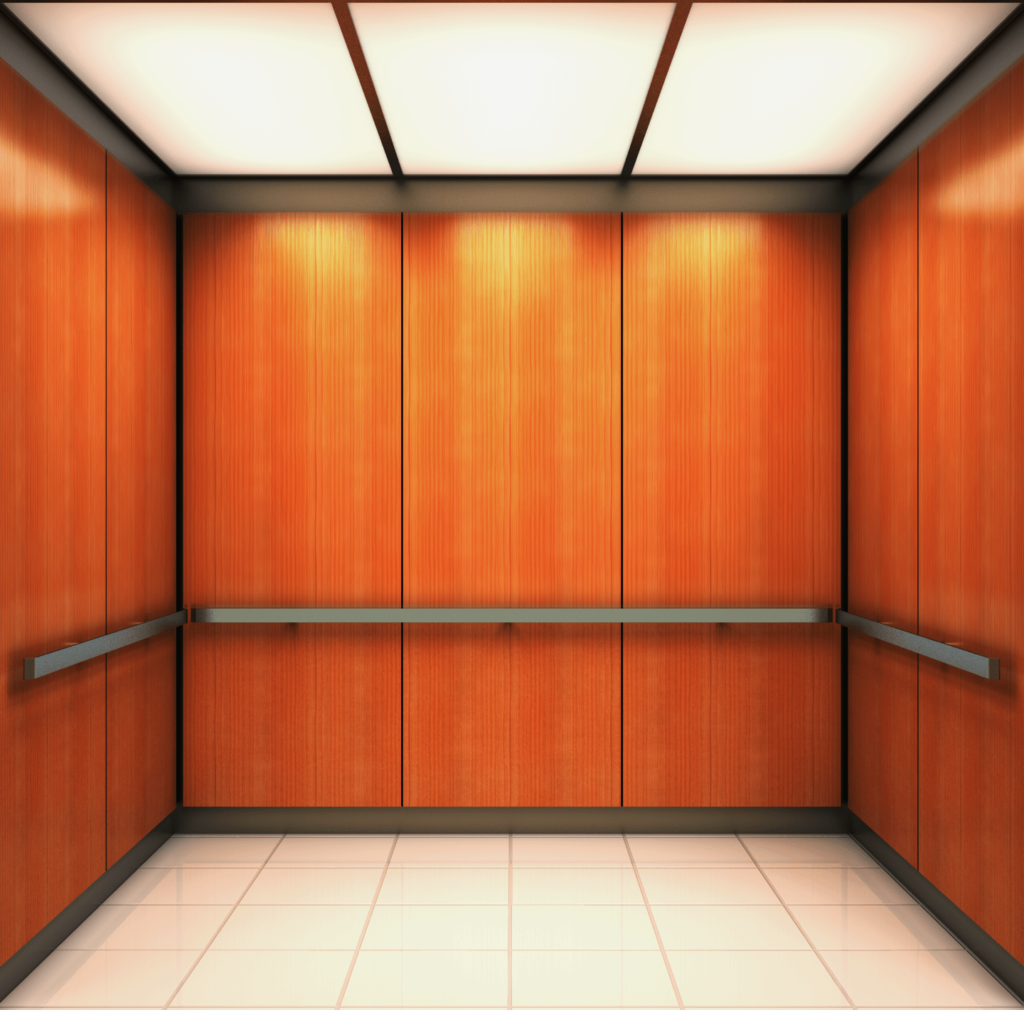
Two weeks back I had a dream. This dream was a bit unusual. I was coming out of an elevator. I came out and saw a family – Husband, wife, and two of their children – one infant and one toddler waiting for the elevator. In this building, we had the provision of a room and kitchen for domestic help. This was a family of one such domestic help. I asked him – what happened Ram where are you going with so much luggage? He responded – we are going to our village. Due to Covid we are exhausted with our limited resources and have better chances in the village.
I held the door of the elevator so that the family can get in. Ram kept luggage and his wife took the kids in. Before I could leave the door for them to proceed, I noticed, Ram was arranging his stuff in the small place as if he has to put his kids to sleep here.
Before closing the door, out of curiosity, I asked him what are you doing? You will reach ground within a min or so, why are you arranging your stuff here as if you have to live here forever? Before Ram could answer this question, my sleep was interrupted; I woke up.
Food for thought
It was good food for thought. We keep on “arranging” things in life, parents ask children to “settle down”. Settling down is a euphemism in India for getting married and having a family. American research suggested that 1 in 8 Americans die in their sleep. We are unsure of waking up the next morning but we prepare life long to arrange things and settling. On a lighter note, “we are very optimistic, to be in the other 7”.
My point is, instead of being satisfied, which is here and now, and worth earning we become feverish and keep on running endlessly. In some cases, rather than being feverish, some activities become necessary because of other entanglements. It is complex to understand my previous sentence, so to understand the point I am making read this story of the entanglement of a Langot (undergarment).
Remember! We’ve to leave the elevator
We must pause and introspect some time. I had written about introspection about a decade back with this question – Why are you doing what are you doing? We must strive for goals and ambitions. At the same time, we must be mindful too. The point is, we must live life to the fullest, enjoy it, and make it comfortable for ourselves and those around us. After all this, we must remember – we are not going to stay here forever – we have to leave the elevator some time – however beautiful it is. The Ram within woke up to say – Ram, you have to leave the elevator sooner or later so watch your actions.
Image source – https://charterelevator.com/modernization/modernize-you-cab-image/