I had been asking myself a very naive question. How do we measure growth? Well the answers is not “the GDP” etc. What if I sell things very expensive? GDP might grow, right? So, I zeroed down to interest rate as one vehicle to measure growth.
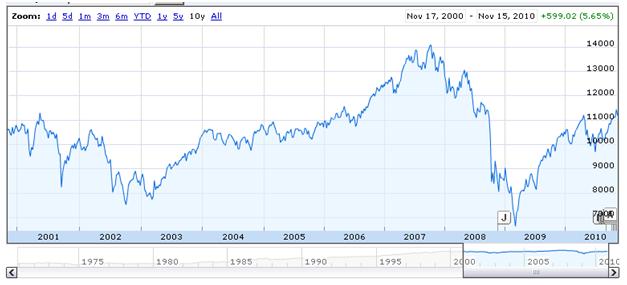
 Well, let me be more fairer in providing one more reason for taking debt as a metric. I had been wondering about 2008 crisis and the fancy word – Corporate Debt Restructuring. When we look at these and other special purpose instruments we would realize that humans try to fool themselves or fool others. Therefore I considered Debt as one metric to measure growth. I noticed Kingfisher drowning recently – I mean the airline in India. We all have witnessed crisis of 2008. In the enthusiasm and to show fat books banks start providing loans to people; once a person is not able to repay the debt banks auction those properties. These two big cases and the housing bubble, all these things are examples of our assumption based “Growth” of economy. Here we assumed growth is represented by the ability of people/organizations to take loan. Interest rate of loans would become a representative of metric of growth.
We all are in this mess of economic slowdown because of the concept of debt. The ability of big, smart and mighty people and organizations to restructure these debts. When I was doing a course on Independent Directors with Institute of Directors I was wondering in one session – “What if we don’t have this concept of Debt?” In Islamic banking there is no concept of debt. We may say that Islamic banking has a more refined concept (debt), it is called as profit sharing.
I am not a scholar of Islamic Banking and therefore whatever I am writing here is with reference to what I was told by one of my colleague and friend (Abdullah Pijvi). He too suggested to me that he is speaking from his experience (he had taken some loan) and therefore he knows that there is no straightforward concept of Debt/loan. It was interesting to know that concept however I had a question in my mind – if Islamic banks don’t have the concept of debt how do they grow? And I started defining metric of growth as – debt and interest rate!
Related blogs – Where is growth?, What else you need? and Abundance of scarcity
Disclaimer – 1. In this blog technicalities of economics were not considered very seriously. So readers are warned to do their research in formulating their arguments for/against such thoughts. 2. More thoughts on Islamic banking in future blogs